
How do you accurately assess the colour of a horse’s gum?
Your horse’s mouth tells a story -if you know how to read it.
The color of the gums can provide important information about health, circulation and welfare. Learn how this new framework aims to make observations more reliable for everyone working with horses.
Can the colour of your horse’s gum reveal more than you think?
The colour of the gums, eyelids and other mucous membranes is one of the oldest and most widely used indicators of animal health. Veterinarians use thesecolour changes to help assess blood circulation, oxygenation, hydration and disease. Yet, despite their importance, there has never been a standardised wayto describe or assess mucosal colour.

Different types of mucosal surfaces in different species
This paper introduces the Uldahl Standard, -a new conceptual framework designed to bring greater consistency and scientific rigour to mucosal colourassessment in terrestrial mammals. The framework provides a common language for describing mucosal colour, recommends standardised reportingmethods, and explains how visual assessment can be combined with digital imaging, colour science and artificial intelligence.
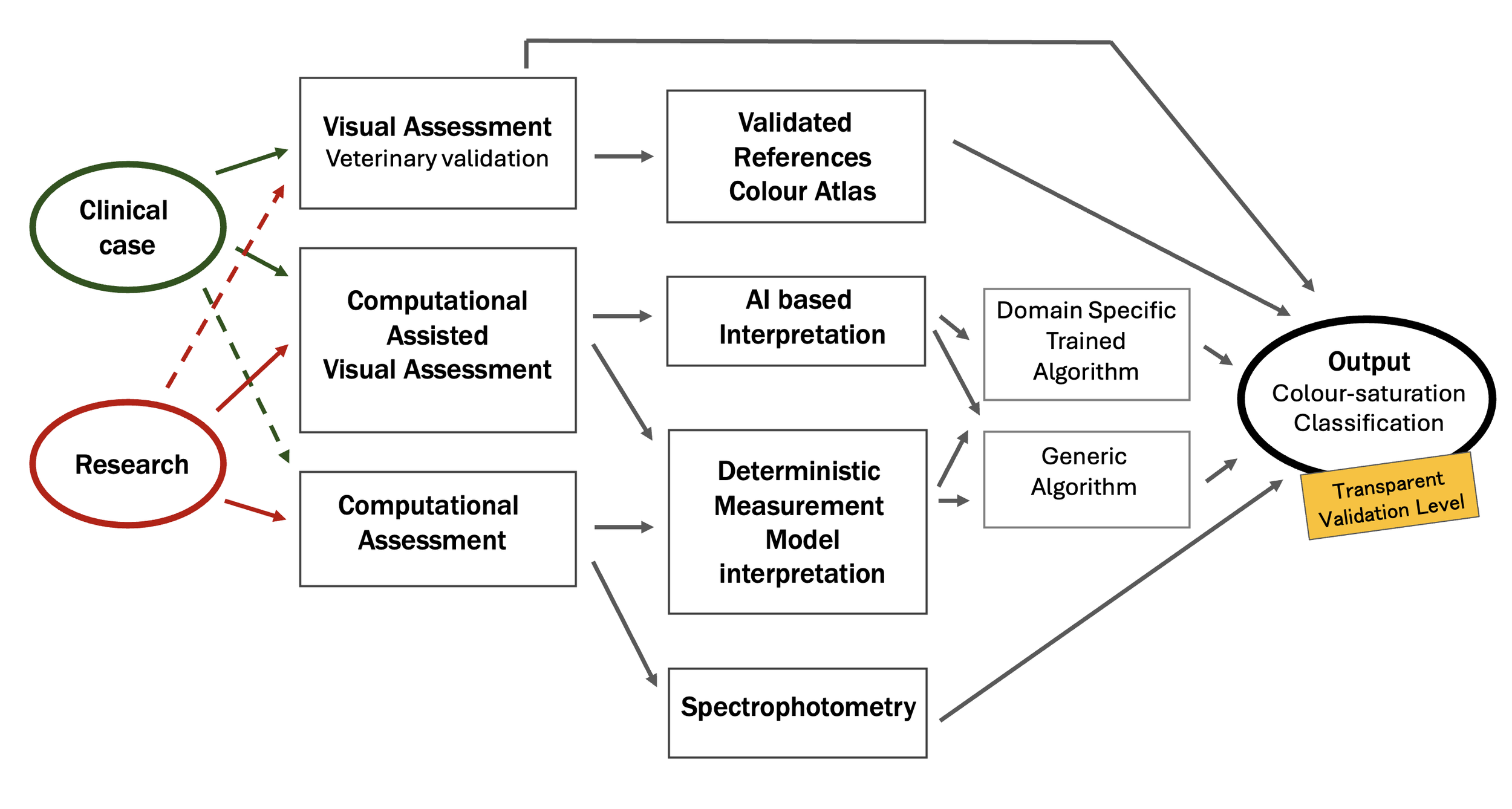
Different methods for assessing mucosal colour can be used, all of which can be applied withinthe Uldahl Standard. However, the level of validation varies between methods, which someapproaches more suitable for for example research purposes than others
The proposed framework also highlights the importance of recognising factors that can influence colour assessment, such as lighting conditions, image quality, pigmentation and the level of clinical validation. By making assessments more transparent and reproducible, the Uldahl Standard has the potential to improveclinical examinations, research studies and the future development of AI-assisted diagnostic tools.
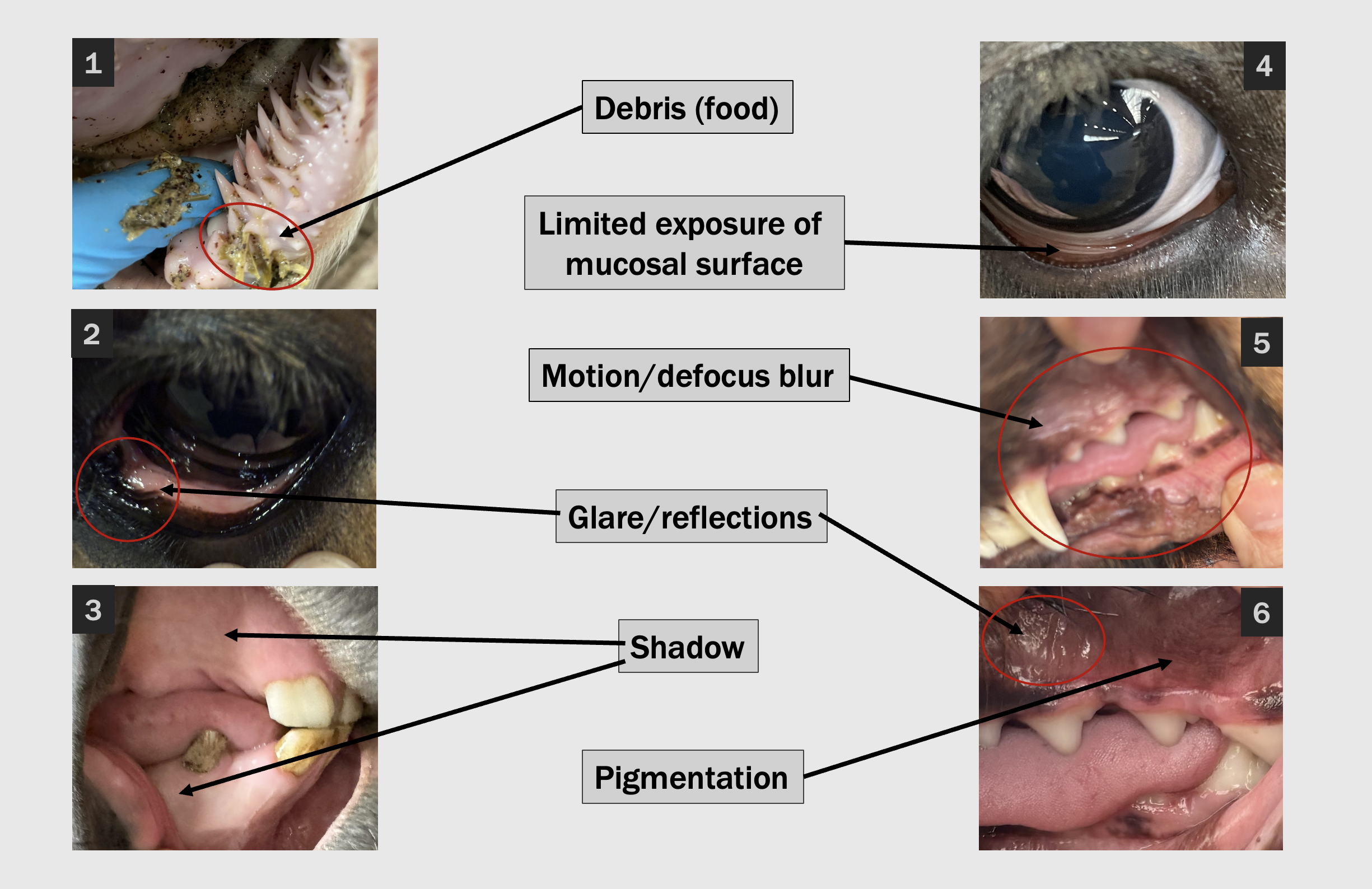
Different types of artefacts can interfere with mucosal colour assessment.
Although developed for use across many mammalian species, the framework is particularly relevant to equine medicine, where careful assessment of the oral mucosa plays an important role in monitoring both health and welfare.
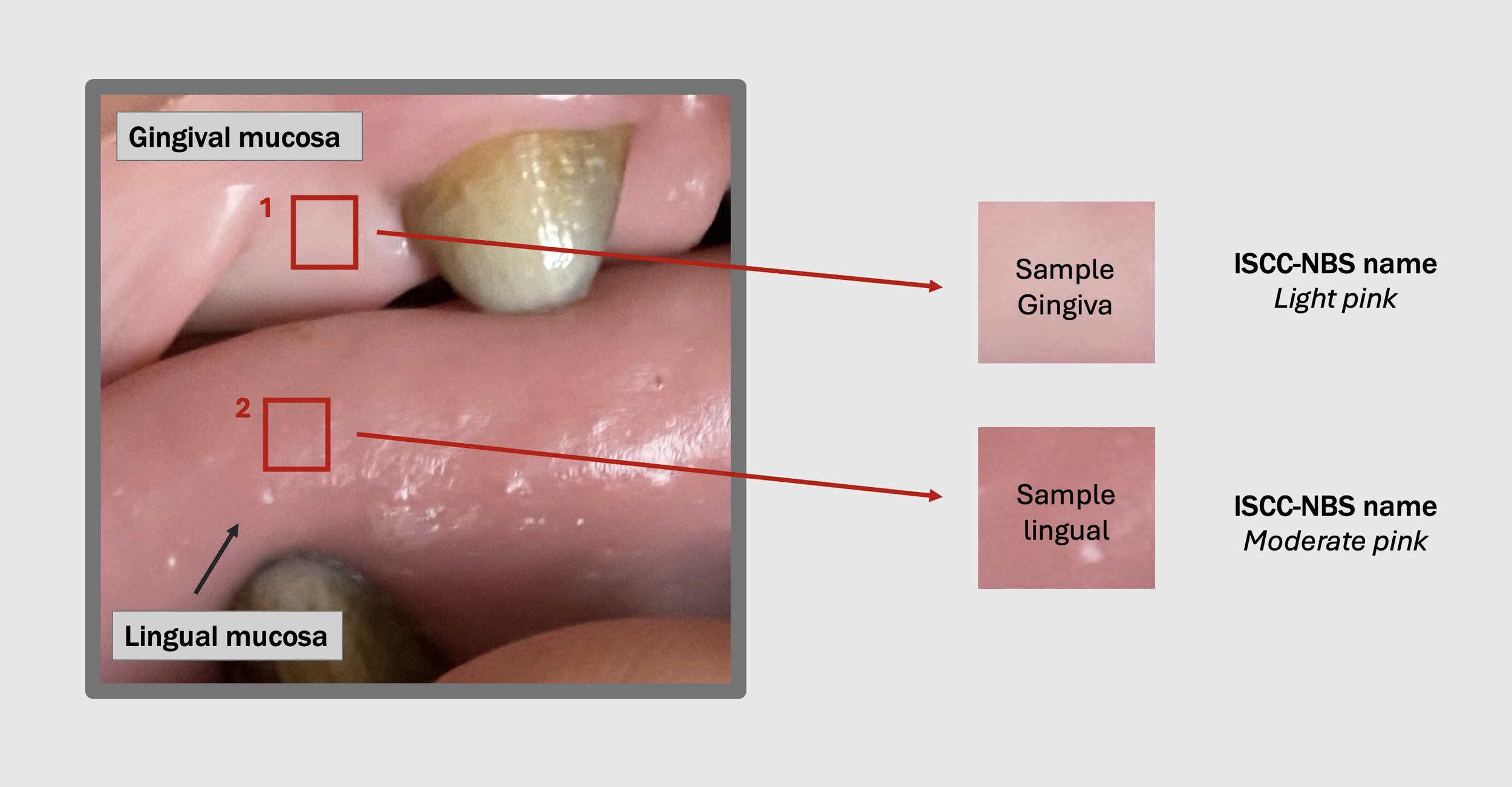
A combined AI assisted visual assessment was used for analysis of two samples in this example. The example demonstrated variation of colour between anatomical sites
Why it matters:
Better standards lead to more reliable observations. A shared approach to Mucosal color assessment will help veterinarians, researchers and animal welfare professionals communicate more accurately, compare results across studies, and ultimately improve animal health and welfare.